AE Golf News
  • Articles
  • Interviews
  • Search
  • Articles
  • Interviews
  • Search

Lake Merced Golf Club: The Return to Alister MacKenzie

3/12/2024

0 Comments

 
Alex Elias

Picture
Courtesy of Holderness & Bourne
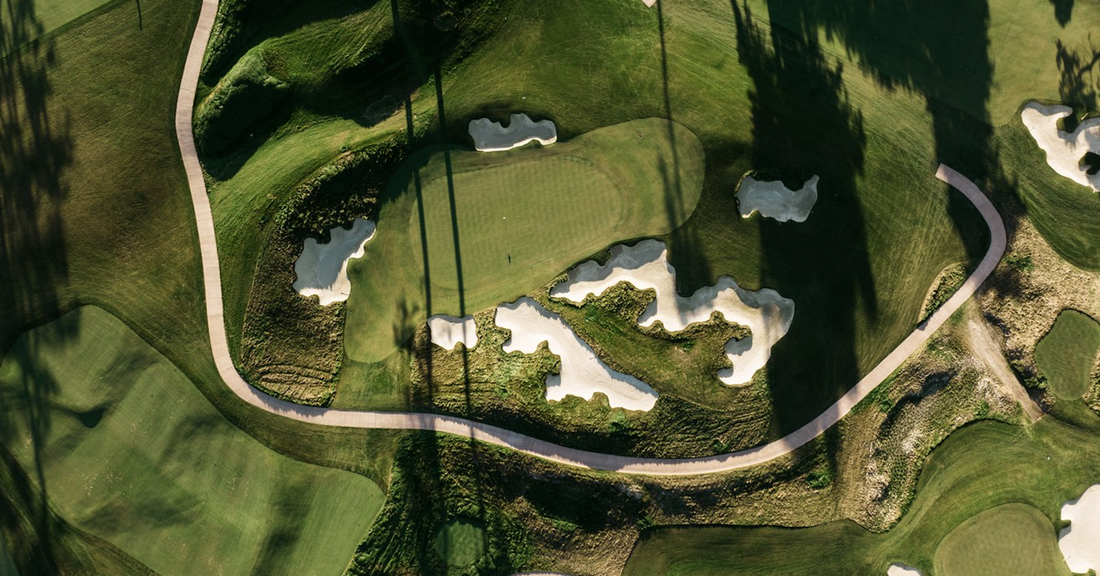
Originally designed by Willie Lock in 1923, Lake Merced Golf Club (Daly City, CA) underwent a renovation by Alister MacKenzie in 1929. In the decades that followed, the construction of a freeway forced Robert Muir Graves to re-route the course in 1962, and in 1996, Rees Jones oversaw a renovation of every green complex and bunker. In 2020, Lake Merced hired Hanse Golf Course Design to develop a Master Plan.
​
Initially brought in to achieve the club’s objectives, Gil Hanse and partner Jim Wagner presented a plan to restore the course to MacKenzie’s design.


“The impetus was that we needed to update the greens, bunkers, and irrigation, and possibly relocate the driving range,” said Pat Steffes, Head Golf Professional at Lake Merced Golf Club. “But when Gil arrived, he was immediately confident that we could restore the vast majority of MacKenzie’s original design. That was the big transition in the project. The scope became much bigger: every hole would be completely changed, and the range would be moved across the property.”​

In all, Hanse and Wagner restored fourteen holes to MacKenzie’s original design, working mainly from a 1938 aerial photo, sympathetically restored three—for example, No. 17, which Steffes said, “is similar to MacKenzie’s 18th, though the bunkers are now on the left rather than the right”—rebuilt all eighteen greens, refurbished 150,000 square feet of bunkering, restored and expanded all eighteen tee complexes, moved the practice facility from one end of the property to the other, and installed a new irrigation system.
Picture
Hole 12 - Courtesy of Evan Schiller (@evan_schiller_photography)
Picture
Hole 13 - Courtesy of Evan Schiller (@evan_schiller_photography)
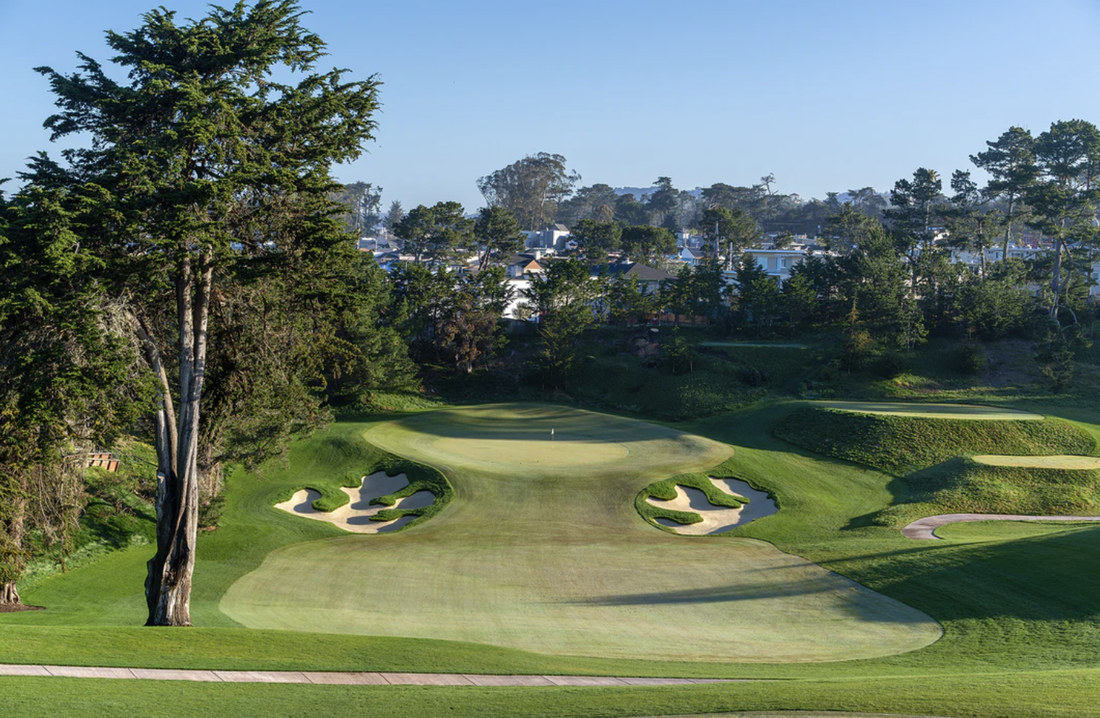
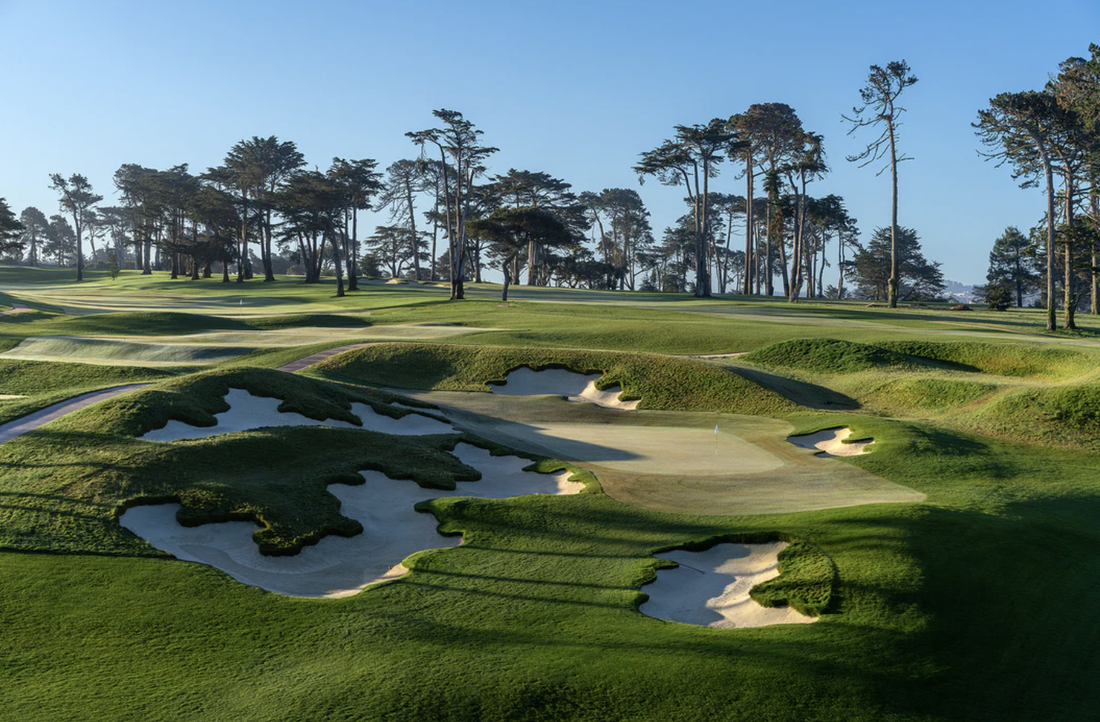
Of the changes, the northwest corner of the course saw the most dramatic transformation, particularly at the Par-4 12th and Par-3 13th. Highlighting Hole 12 as his favorite, Steffes recalled Hanse saying, “It is not like any other hole I have seen.”

Fully restored, Hole 12 now plays down to a punchbowl green, fairway-cut around it, with two MacKenzie bunkers short.
​

Immediately after, Hole 13—the most anticipated to be restored, as it was MacKenzie’s signature hole, though completely demolished in 1964 due to the aforementioned re-routing—was meticulously re-created.

“To restore the 13th, Gil counted the number of spectators in an old photograph—measuring shoulder width—to approximate the scale of the bunkering,” said Steffes. “It’s a pretty simple hole at only 150 yards from the back tee, but it’s a little scary when you stand on the tee. There are bunkers that shouldn’t be in play, but you’re thinking about them as you hit, as the green complex is built into the hillside.”
Picture
Courtesy of Evan Schiller (@evan_schiller_photography)
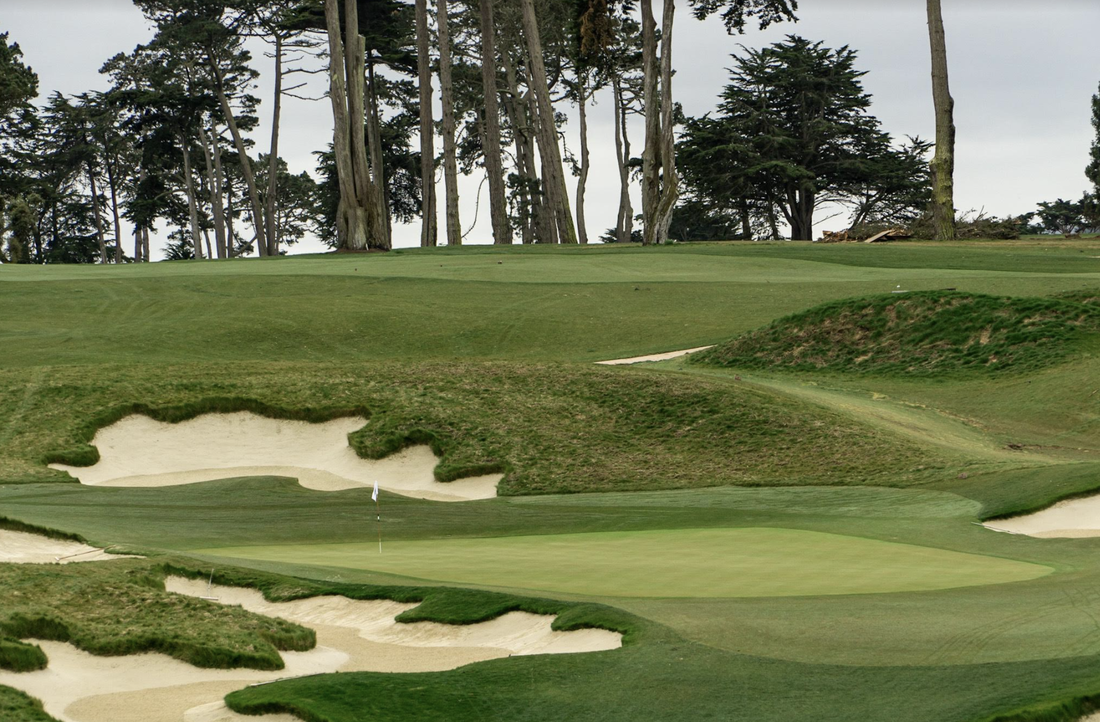
Though it’s tough to pick just one, Steffes noted one of the features he has come to appreciate the most is the creativity around the greens.

“The old design was very one-dimensional and didn’t demand nearly the same creativity. Now, you have three shots you can play around almost any green—you can fly it, bump it, or putt,” said Steffes. 


Now open for almost two years, Steffes said, “The foresight of Gil and the membership to commit to a project like this can’t be overlooked. We are incredibly proud of our MacKenzie lineage, and bringing back that history is truly unique. Many places either can’t do it or don’t get the opportunity.”
0 Comments


Leave a Reply.

Proudly powered by Weebly